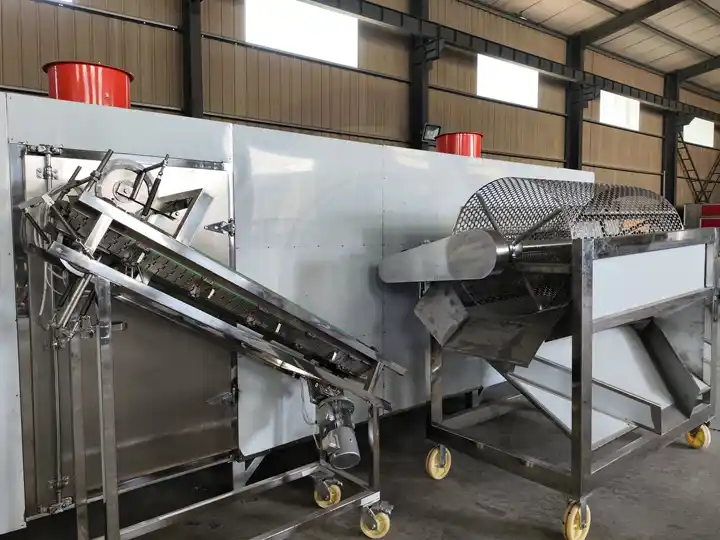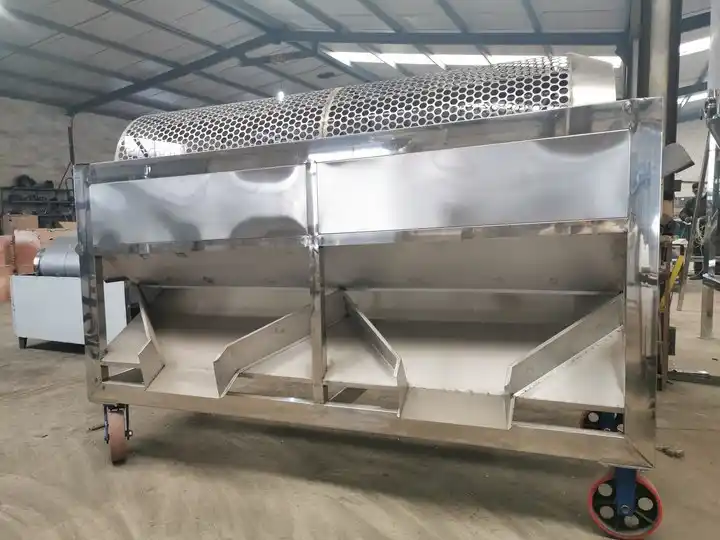
The drum is the core component of a rotary drum sifter, directly affecting screening efficiency and application range. Based on different structures and uses, drums can be classified as follows.
Contents
Single-Layer Drum Sifter
This drum features a single layer of sieve mesh, suitable for simple grading tasks such as separating sand or gravel. The sieve hole size typically ranges from 5–100 mm. It has a simple structure and a low cost.
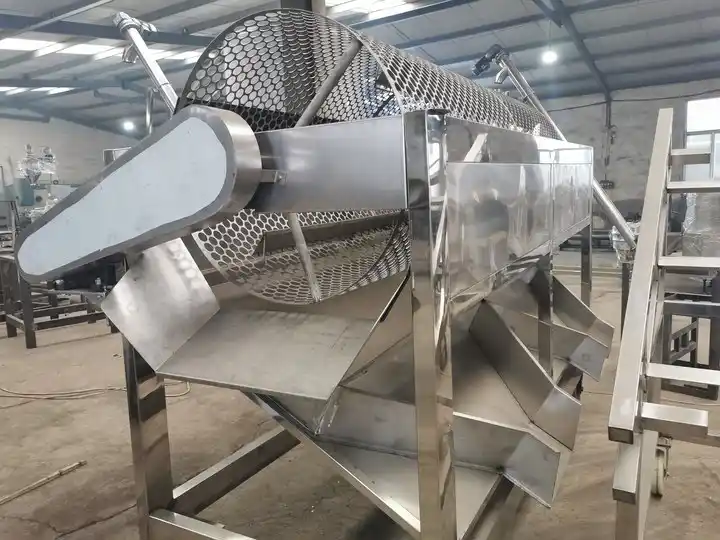
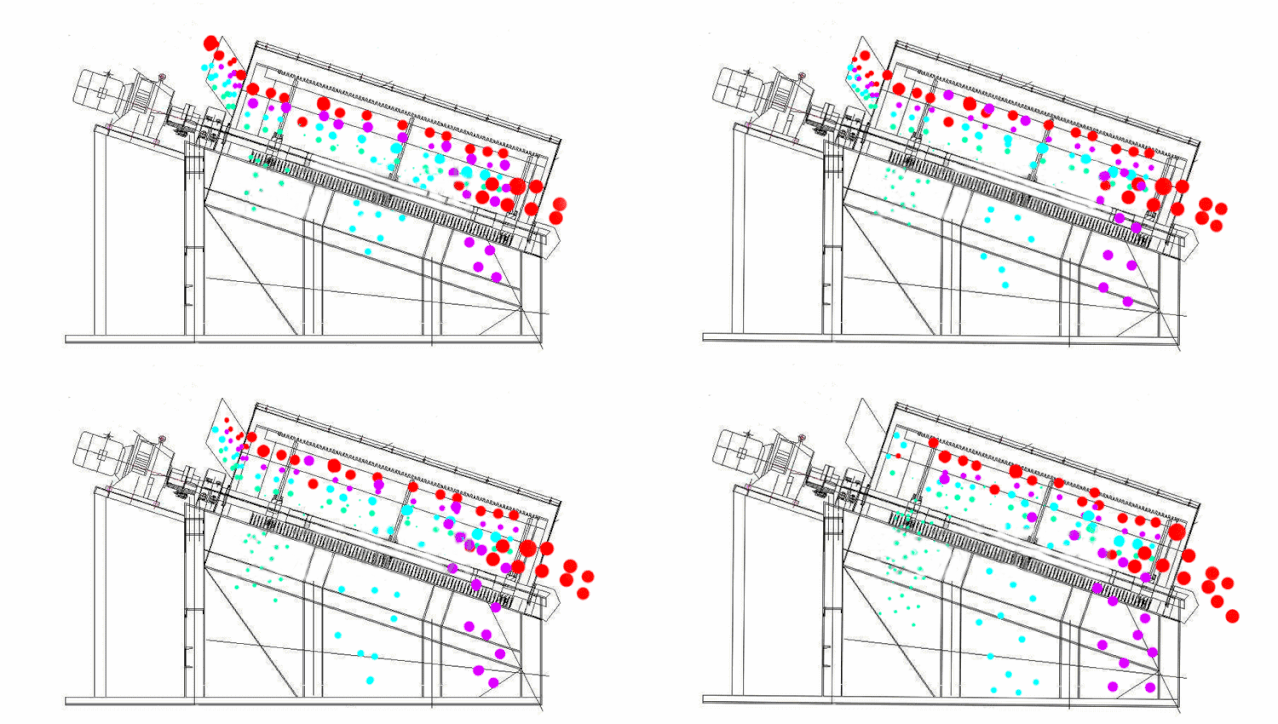
Inclined Fixed-Sieve Drum Sifter
In this type, the drum frame is set at an inclined angle. Material is fed from the top, and as the drum rotates, the combination of rotation and inclination allows particles to move along the drum surface. Larger particles roll down the drum length, while smaller particles pass through the sieve holes. This design is ideal for screening larger-sized materials.
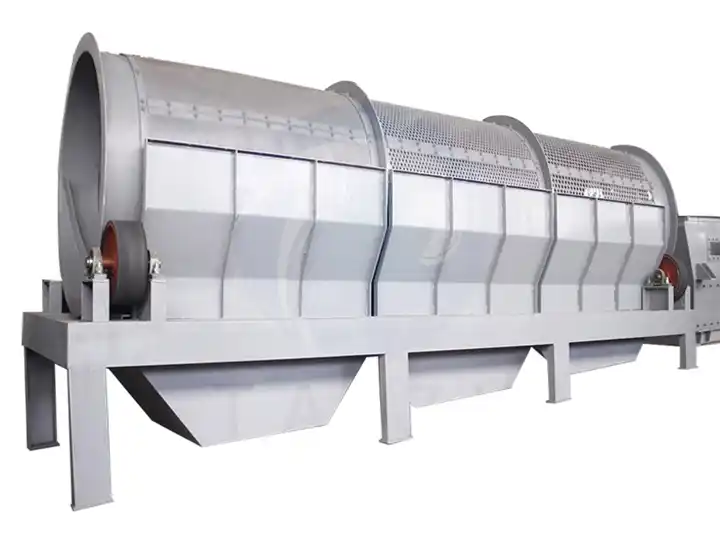
Horizontal Drum Sifter
The drum frame is placed horizontally. Material is fed from one end, and as the drum rotates, larger particles remain on the surface while smaller particles pass through the sieve holes. Horizontal drum sifters are versatile and suitable for screening a wide range of granular materials.
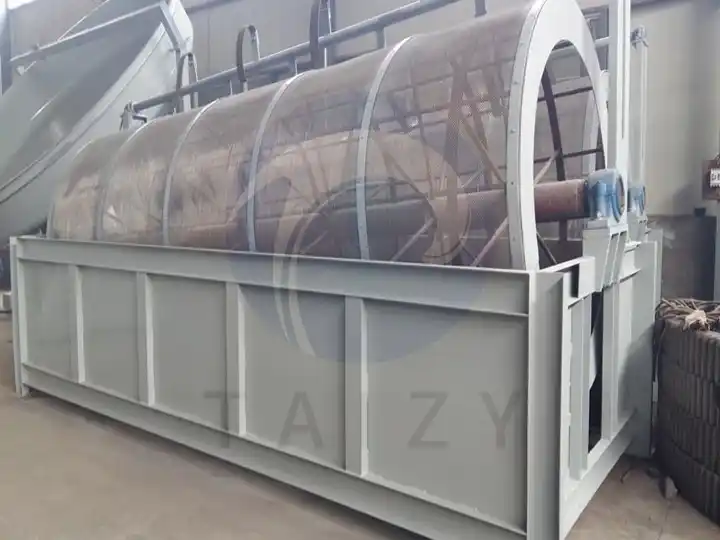
Double-Layer Drum Sifter
This drum contains two layers of sieve mesh. Material first passes through the upper sieve for coarse screening, and smaller particles move to the lower sieve for further grading. This combination allows both coarse and fine screening, making it ideal for multi-stage particle separation.
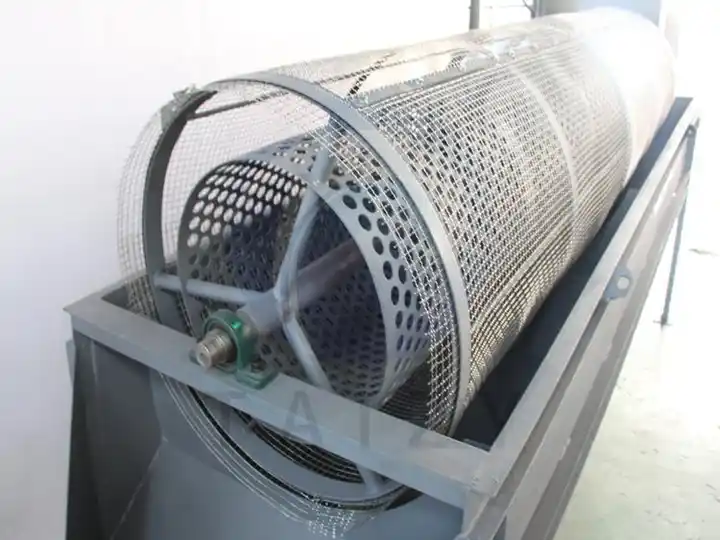
Reversing Drum Sifter
The drum rotates alternately in both directions during operation. This reversing motion helps prevent sieve clogging and improves screening efficiency, making it suitable for sticky or easily blocked materials.
How a Rotary Drum Sifter Works?
Step 1- Cocoa beans enter the sifter through the feed inlet.
Step 2 - As the drum rotates, the cocoa beans are continuously tumbled and moved forward.
Step 3- The drum is equipped with sieves of different hole sizes, allowing the beans to fall into corresponding collection bins according to their particle size.
Step 4 - Finally, the cocoa beans are automatically classified into large, medium, and small particles.
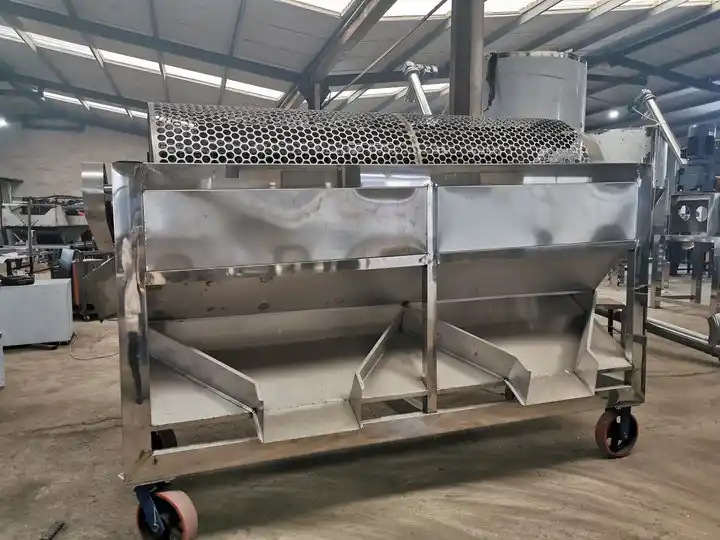
Recommended Models of Rotary Drum Sifters Machine
Model: TZC-400
Power: 1.1kw
Voltage: 380v 50hz
Capacity: 300~400
Size: 2*1.3*1.7m
If you want to learn more about our cocoa bean sifter , please leave a message in the pop-up form, and we will respond within 24 hours.