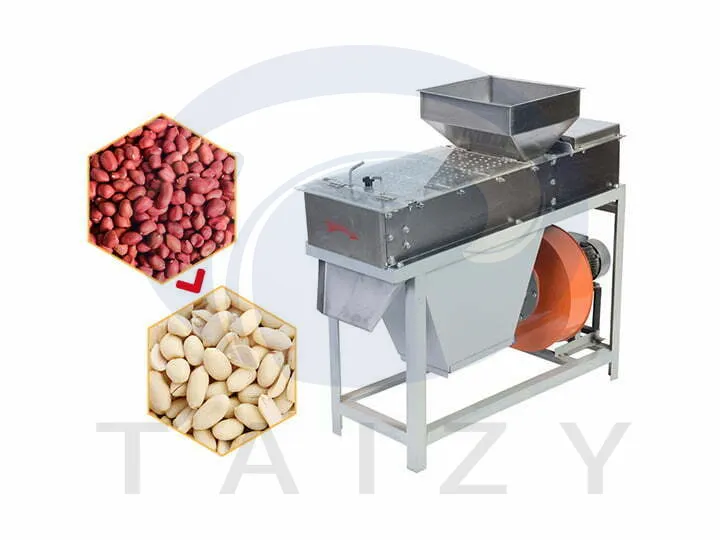
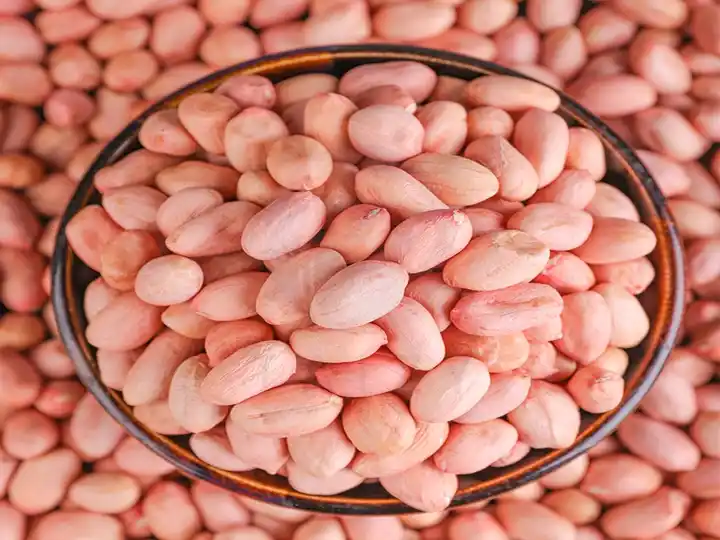
Peanut peeling is a key step in processing. There are mainly two types on the market: dry peanut peeling machines and wet peanut peeling machines. This article will compare their performance, technical specs, and suitable applications to help you make a smart choice.
Contents
Working Principle and Process Differences
Dry Type Peanut Peeling Machine
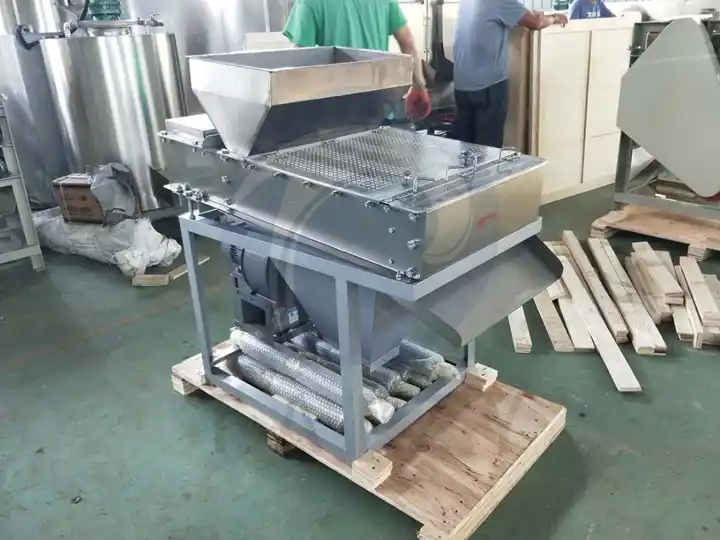
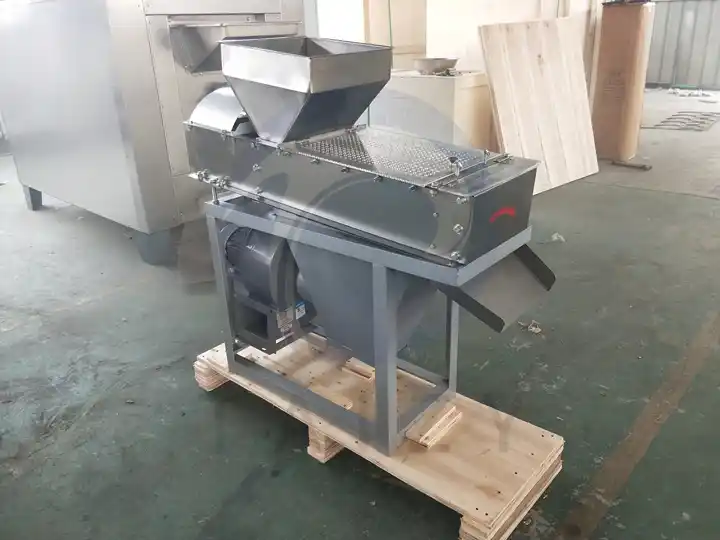
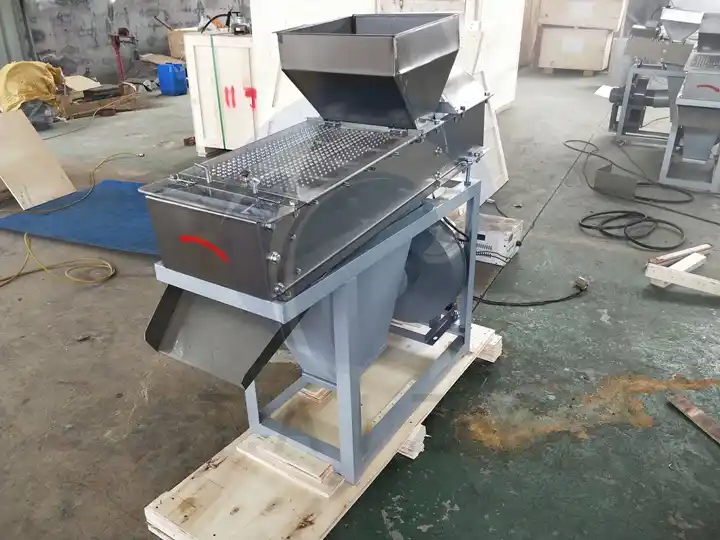
The dry peanut peeling machine uses multiple steel rollers to peel peanuts by synchronized rolling, without adding water. This method preserves the natural flavor of peanuts and makes storage and transport easier.
Technology Parameter
| Feature | Dry Method | Wet Method |
|---|---|---|
| Suitable Scale | Medium to large factories | Small-scale or premium market |
| Peanut Flavor | Well preserved | Slight moisture change after soaking |
| Storage & Transport | Easy for long-term storage | Needs drying before storage |
| Investment Cost | Lower | Slightly higher |
| Finished Product Integrity | High, but slightly more broken kernels | Highest integrity, low breakage |
| Output | High (200–1000 kg/h) | Medium–low (120–250 kg/h) |
How to Choose a Suitable Peanut Peeler?
When choosing a peanut peeling machine, consider raw material, peeling performance, output needs, cost, and equipment suitability.
- **Raw Material:**Hard, dry peanuts are better suited for dry peeling machines. Soft, fragile, or high-moisture peanuts are better for wet peeling machines, which use soaking to reduce breakage and peel gently.
- **Peeling Performance:**Wet machines have low breakage (≤2%) and high integrity, ideal for whole peanuts or premium markets. Dry machines have a high peeling rate (≥98%) and large output, but slightly higher broken kernels (≤5%), suitable when perfect integrity is not critical.
- Output & Scale: Wet machines are suitable for small-scale or high-quality production. Dry machines are better for large-scale production needing high efficiency and stable output.
- Cost & Operating Conditions: Wet machines require water, drainage, and drying, leading to higher energy and maintenance costs. Dry machines need no water, have a simple structure, and a low running cost, suitable for factories with limited space or water.
- **Product Use & Market:**For whole peanuts, snacks, or gift packs, wet machines ensure maximum integrity. For oil pressing, chopped peanuts, or crushing, dry machines offer higher output and lower cost.
| Selection Factor | Dry Type Peanut Peeling Machine | Wet Type Peanut Peeling Machine |
|---|---|---|
| Raw Material | Hard, dry peanuts | Soft, fragile, or high-moisture peanuts |
| Peeling Performance | High peeling rate (≥98%), broken kernels ≤5% | High integrity, breakage rate ≤2% |
| Output & Scale | Medium to large production line, high output (200–1000 kg/h) | Small batches or premium market, medium–low output (120–250 kg/h) |
| Production Cost & Requirements | No water needed, simple structure, low running cost | Requires water, drainage, and drying; higher cost and maintenance |
| Product Use | Oil pressing, chopped peanuts, or products not requiring high integrity | Whole peanuts, snacks, gift packs, or high-quality market |
| Key Advantages | High output, preserves natural flavor, suitable for industrial production | Low breakage, high integrity, ideal for premium processing |
Summary
Considering raw material, moisture, output, breakage rate, and market demand, dry peeling machines are suitable for high-output, industrial production, while wet peeling machines are ideal for small batches, high-quality products, or applications requiring maximum integrity.